 Image 1 of 4
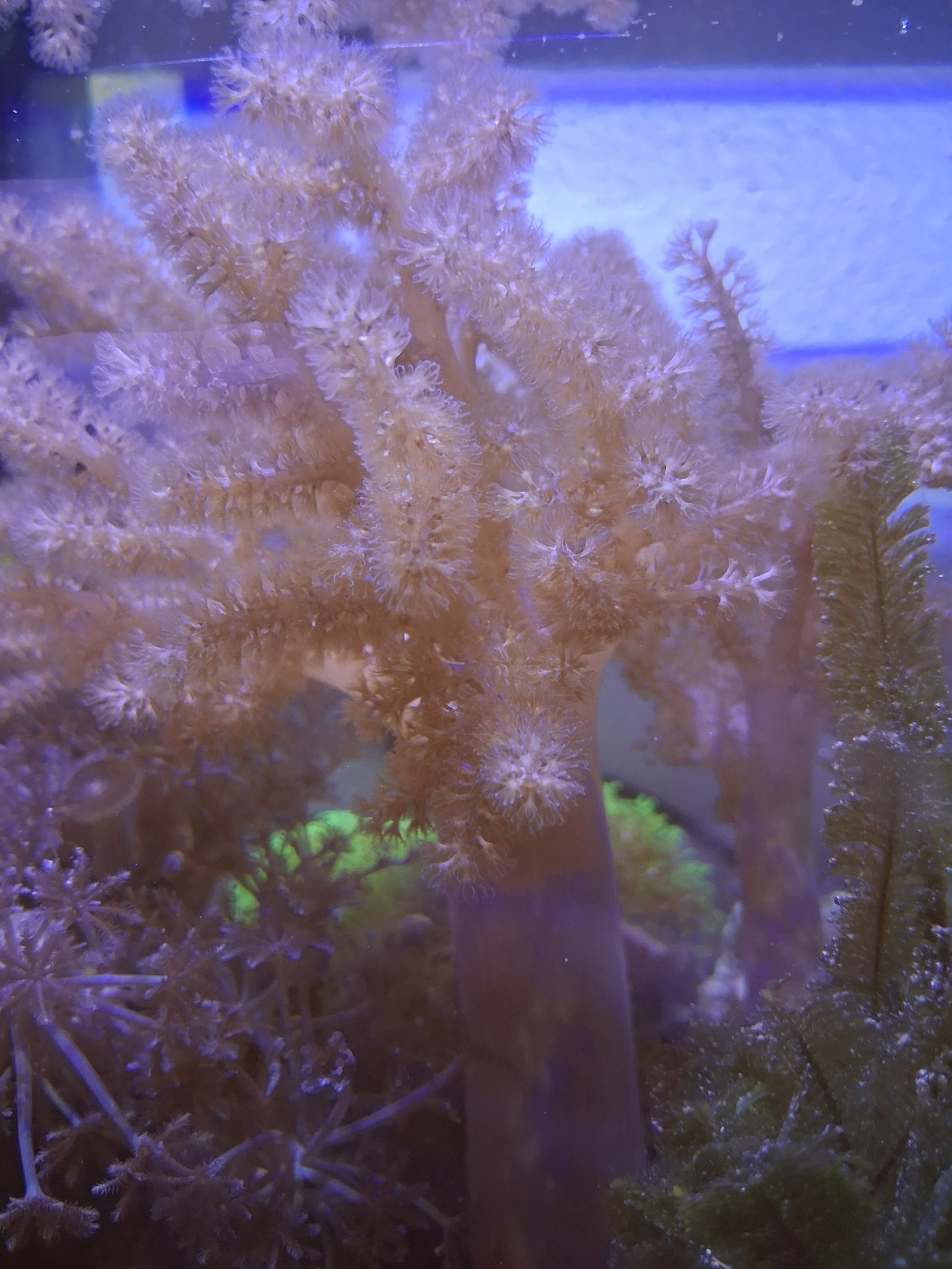 Image 2 of 4
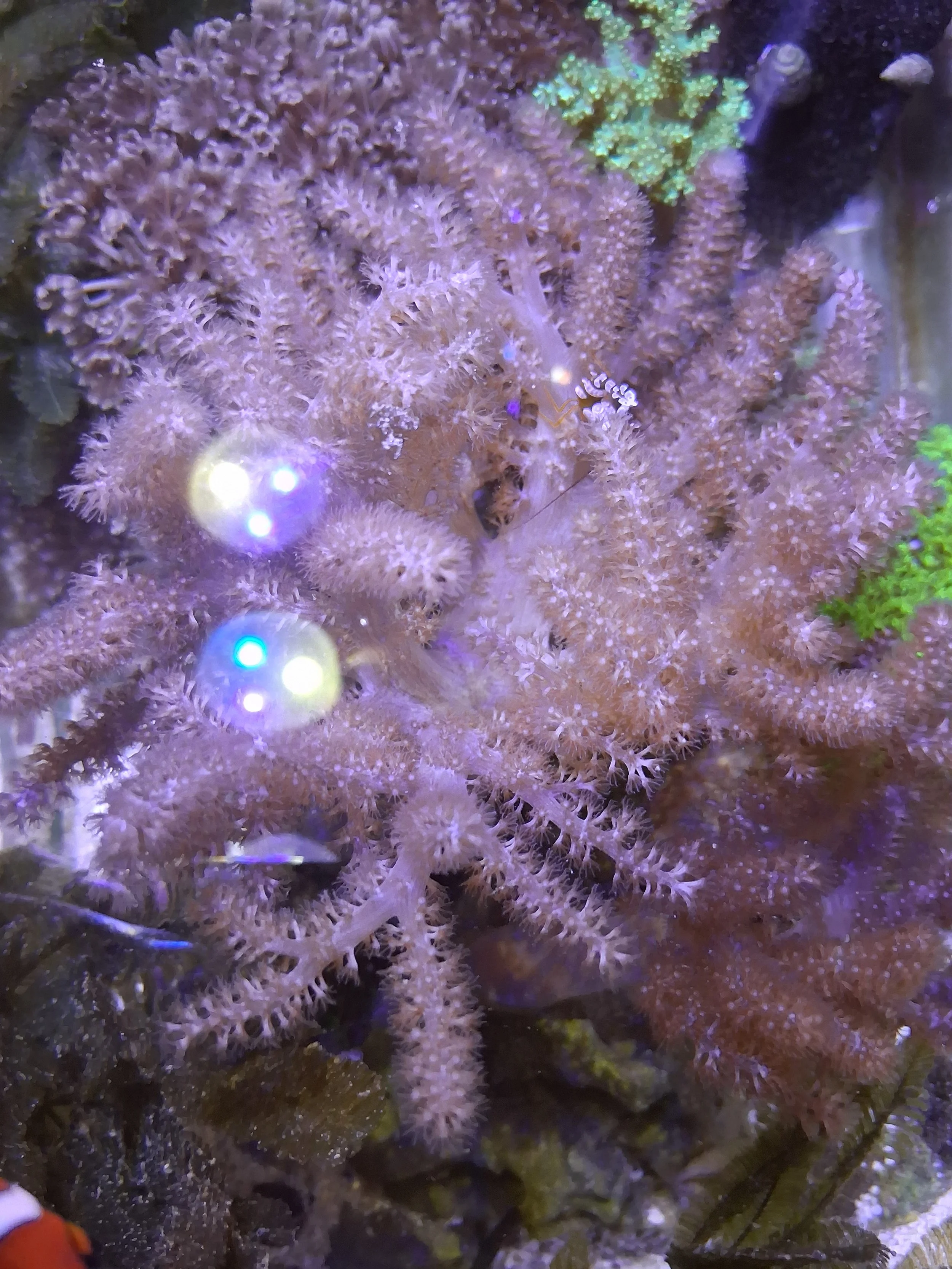 Image 3 of 4
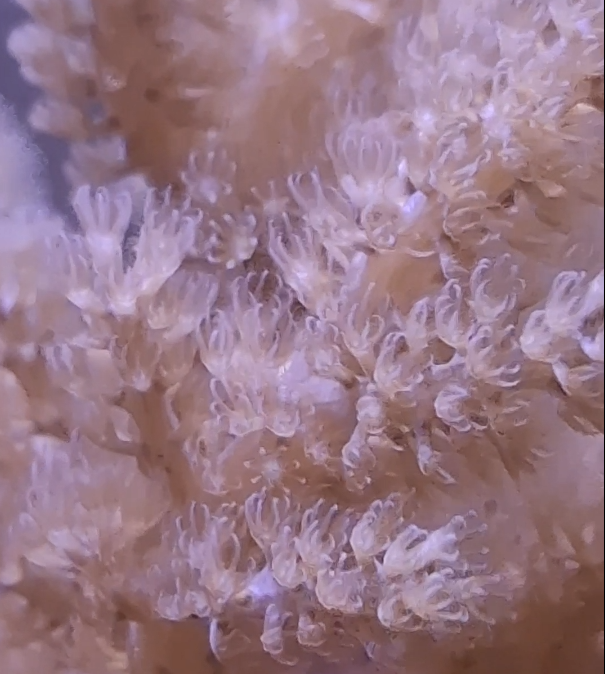 Image 4 of 4
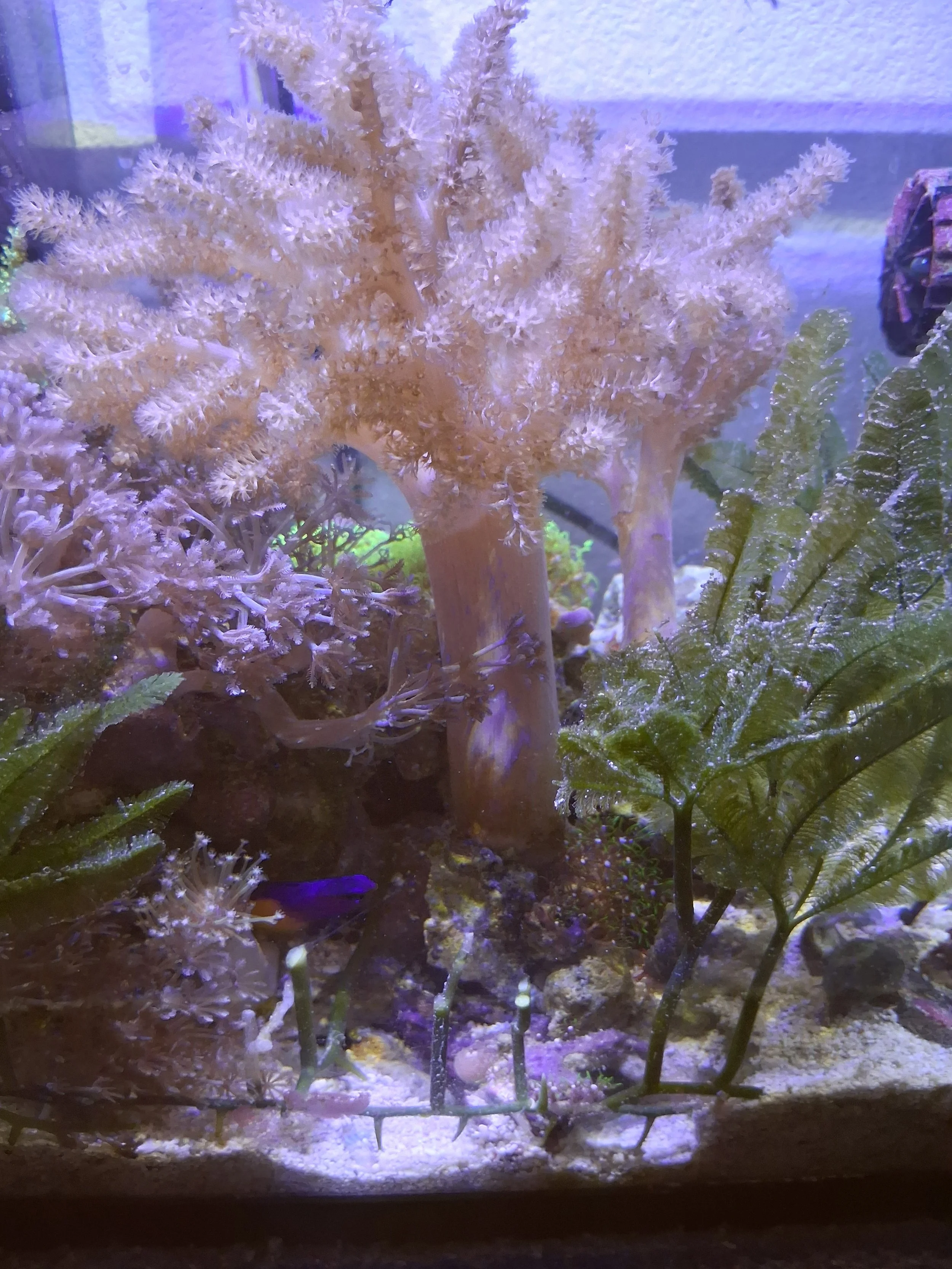
Soft corals like Kenya Trees thrive in low maintenance systems where other corals typically do not. They do well in moderate light. 100 - 150 PAR, but may also do well in higher PAR systems if they are properly acclimated.
Moderate to moderately high flow promotes a thick stalk, with many healthy “branches”. The flow ensures adequate delivery of fine particulate foods when feeding corals, and keeps detritus from building up between the branches. Eventually, the coral will drop branches, and wherever those branches are able to attach, they will grow additional colonies. Kenya trees are a great beginner coral, though they look beautiful in any system that allows them to grow large and form impressive colonies.
Virtually all tree leathers are capable of photosynthesis, but if your coral responds, occasional feeding can encourage growth.
Is your Sinularia shedding? Don’t worry, that’s normal! Leather corals naturally shed their skin as a form of regular maintenance to remove algae build up, detritus, or other unwanted growth. This occurs usually every 1 to 3 months.
Soft corals like Kenya Trees thrive in low maintenance systems where other corals typically do not. They do well in moderate light. 100 - 150 PAR, but may also do well in higher PAR systems if they are properly acclimated.
Moderate to moderately high flow promotes a thick stalk, with many healthy “branches”. The flow ensures adequate delivery of fine particulate foods when feeding corals, and keeps detritus from building up between the branches. Eventually, the coral will drop branches, and wherever those branches are able to attach, they will grow additional colonies. Kenya trees are a great beginner coral, though they look beautiful in any system that allows them to grow large and form impressive colonies.
Virtually all tree leathers are capable of photosynthesis, but if your coral responds, occasional feeding can encourage growth.
Is your Sinularia shedding? Don’t worry, that’s normal! Leather corals naturally shed their skin as a form of regular maintenance to remove algae build up, detritus, or other unwanted growth. This occurs usually every 1 to 3 months.